
CODeDOC
Sept 2002
CODeDOC
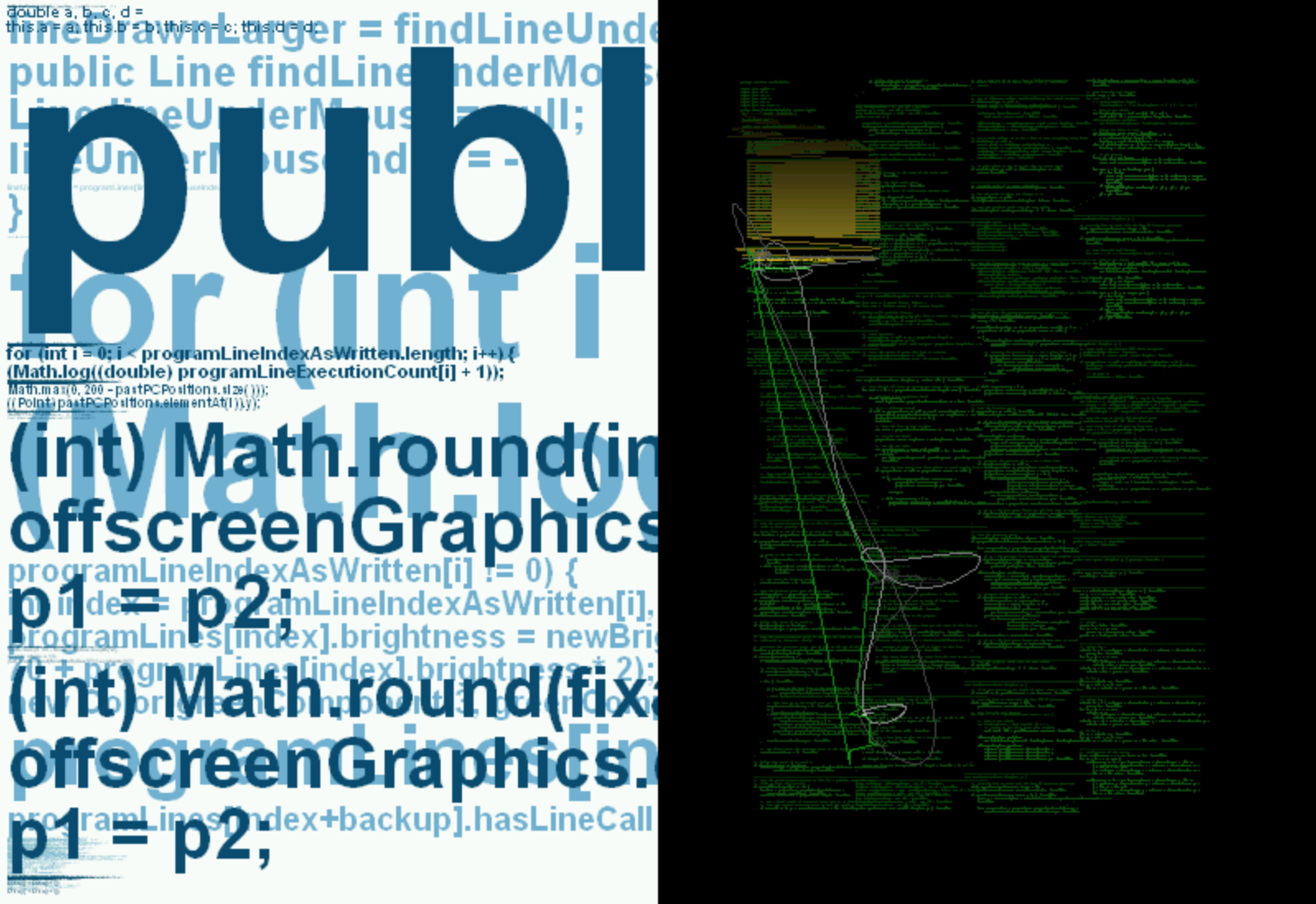
CodeLayers (left) by Martin Wattenberg profiling CodeProfiles (right) by Bradford Paley remixed from CodeProfiler by Bradford Paley, 2002
CODeDOC is an exhibition consisting of twelve small commissioned works. The project takes a reverse look at “software art” by focusing on and comparing the “back end” of the code that drives the artwork's “front end”—the result of the code, be it visuals or a more abstract communication process.
A second installment of CODeDOC with eight additional artists was commissioned by Ars Electronica for the 2003 Ars Electronica Festival CODE–The Language of our Time. CODeDOC II launched on September 6, 2003.
Curatorial statement
A dozen artists coded a specific assignment in a language of their choice and were asked to exchange the code with each other for comments. The assignment was to “connect and move three points in space,” which obviously could be interpreted in a literal or abstract way. The “core” of the code (commonly referred to as the “main”) was not to exceed 8KB, which equals a fairly short text document. The results of the programming are made visible only after the code—what visitors to this site encounter first is a text document of code from which they can launch the front end of the project. The languages in which the code is written are Java, C, Visual Basic, Lingo and Perl. Obviously, this is only a selection of scripting and programming languages. HTML (Hypertext Markup Language), the scripting language on which the World Wide Web is based, and Flash Script were excluded mostly for pragmatic reasons (the inclusion of these languages probably would have doubled the number of artists, making the project unwieldy). Not all of the artists originally invited were able to participate in CODeDOC due to their busy schedules.
The category of software art, commonly used for artist-written software, is a manifestation of fairly blurry terminology. Software is generally defined as formal instructions that can be executed by a computer. However, there is no digital art that doesn't have a layer of code and algorithms, a procedure of formal instructions that accomplish a "result" in a finite number of steps. Even if the physical and visual manifestations of digital art distract from the layer of data and code, any 'digital image' has ultimately been produced by instructions and the software that was used to create or manipulate it. It is precisely this layer of 'code' and instructions that constitutes a conceptual level which connects to previous artistic work such as Dada's experiments with formal variations and the conceptual pieces by Duchamp, Cage and Sol LeWitt that are based on the execution of instructions.
What distinguishes software art from other artistic practices, is that, unlike any form of visual art, it requires the artist to write a purely verbal description of their work. In traditional art forms, the 'signature' and 'voice' of an artist manifests itself in aesthetics of visuals and execution. Every medium may have its specific language but in digital art, this language has a quite literal rather than figurative manifestation. In software art, the visual results of the artwork are derived from the language of code. Languages are defined by grammar and complex rules and at the same time leave space for individual forms of creative expression. Our identity and the roles we play are expressed in our use of language. One might assume that the aesthetics of artists who write their own source code manifest themselves both in the code itself and its visual results. Artist John F. Simon, Jr. (who wasn't able to participate in the project) has talked about code as a form of creative writing. Code has also been referred to as the medium, the 'paint and canvas,' of the digital artist but it transcends this metaphor in that it even allows artists to write their own tools—to stay with the metaphor, the medium in this case also enables the artist to create the paintbrush and palette.
The projects featured as part of CODeDOC are expressions of distinct artistic signatures: the conceptual approach to the project, the way the code has been written, and the results produced by it reveal a lot about the respective artist. Some of the artists interpret the assignment in a predominantly graphic, visual way; others connect points in the global network of the Internet; one project explicitly treats the language of code as a narrative connecting three "characters"; another one creates a meta-layer for profiling the code itself, collapsing the boundaries between front end and back end; yet another project focuses on "language abuse" and illegal instructions.
Intrinsic to software art is a procedural element that allows for reconfiguration and extension, and, as way of commenting on the projects, artists started to 'remix' their work, applying their own code to other projects or combining sections of code into a new project.
One does not need to be a programmer and have an in-depth understanding of computer languages to establish a connection between the code and its respective results: even a glance at the artists' source code will reveal certain mathematical functions, and in many cases, the artists' comments on their writing clarify the functionality of a line or section of the code. In some cases, reading the source code will enhance the perception of the work; in other cases, the code doesn't necessarily add to the projects. CODeDOC is an endeavor to take a closer look at the process of this particular artistic practice, and to raise questions about the parameters of artistic creation.
—Christiane Paul, Curator of Digital Art
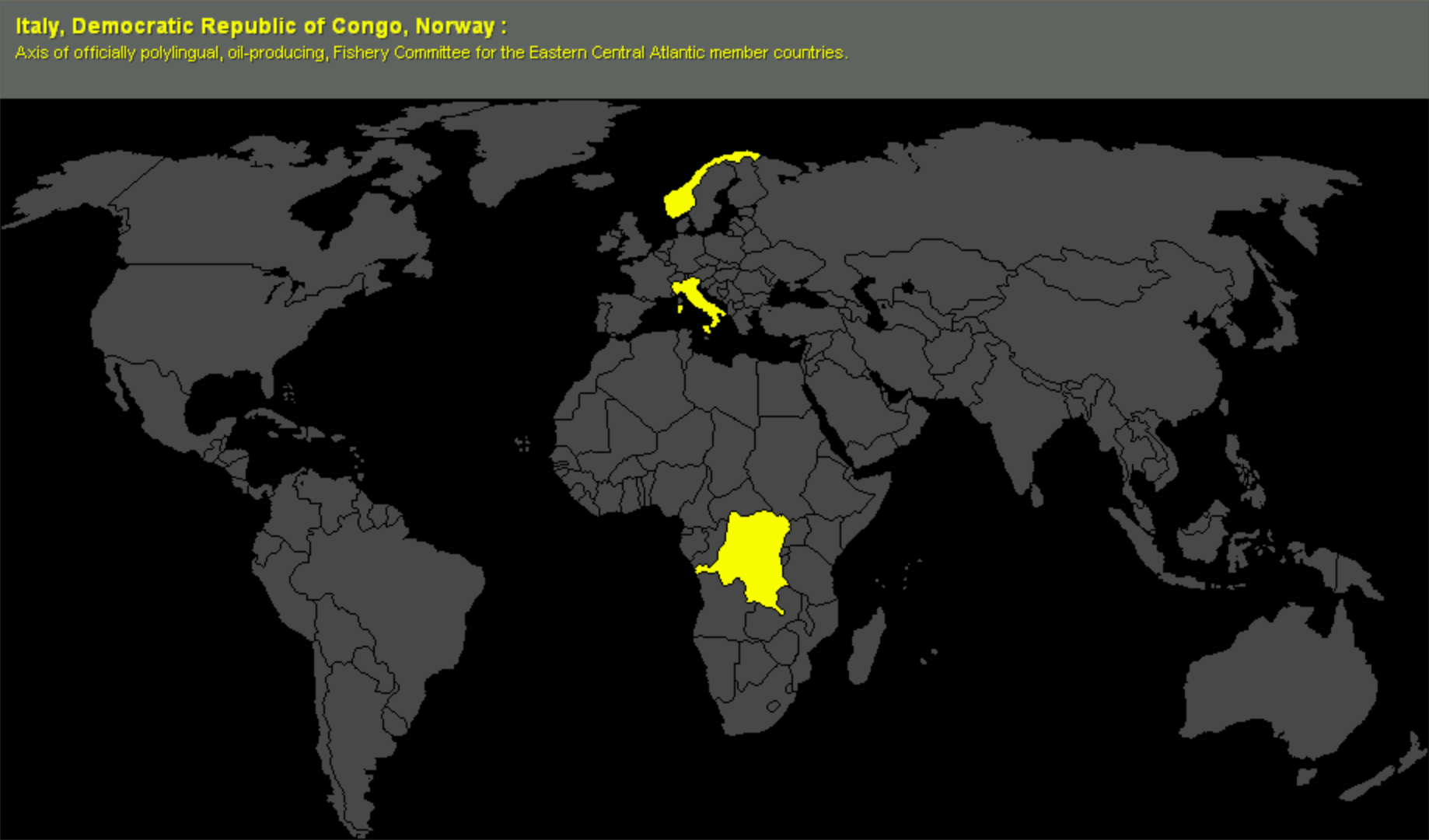
Axis
Java
Golan Levin (b. 1972; New York, New York) is an artist, engineer, researcher, and educator interested in intersections of machine code, visual culture, and critical making. Levin applies creative twists to digital technologies that highlight our relationship with machines, expand the vocabulary of human action, and awaken participants to their potential as creative actors. His projects have engaged themes such as aesthetics of nonverbal interaction and information visualization as a mode of critical inquiry. Levin is a professor of electronic art at Carnegie Mellon University, Pittsburgh.
His work is included in the collection of the Museum of Modern Art, New York, was shown in the 2004 Whitney Biennial, and has been recognized with grants from the National Endowment for the Arts, the National Endowment for the Humanities, Creative Capital, the Rockefeller Foundation, and others. A two-time TED speaker, Levin was named one of Fifty Designers Shaping the Future by Fast Company magazine in October 2012.
Enter projectComments by other artists
This project relies on Java applets, emulated through CheerpJ to run in modern browsers.
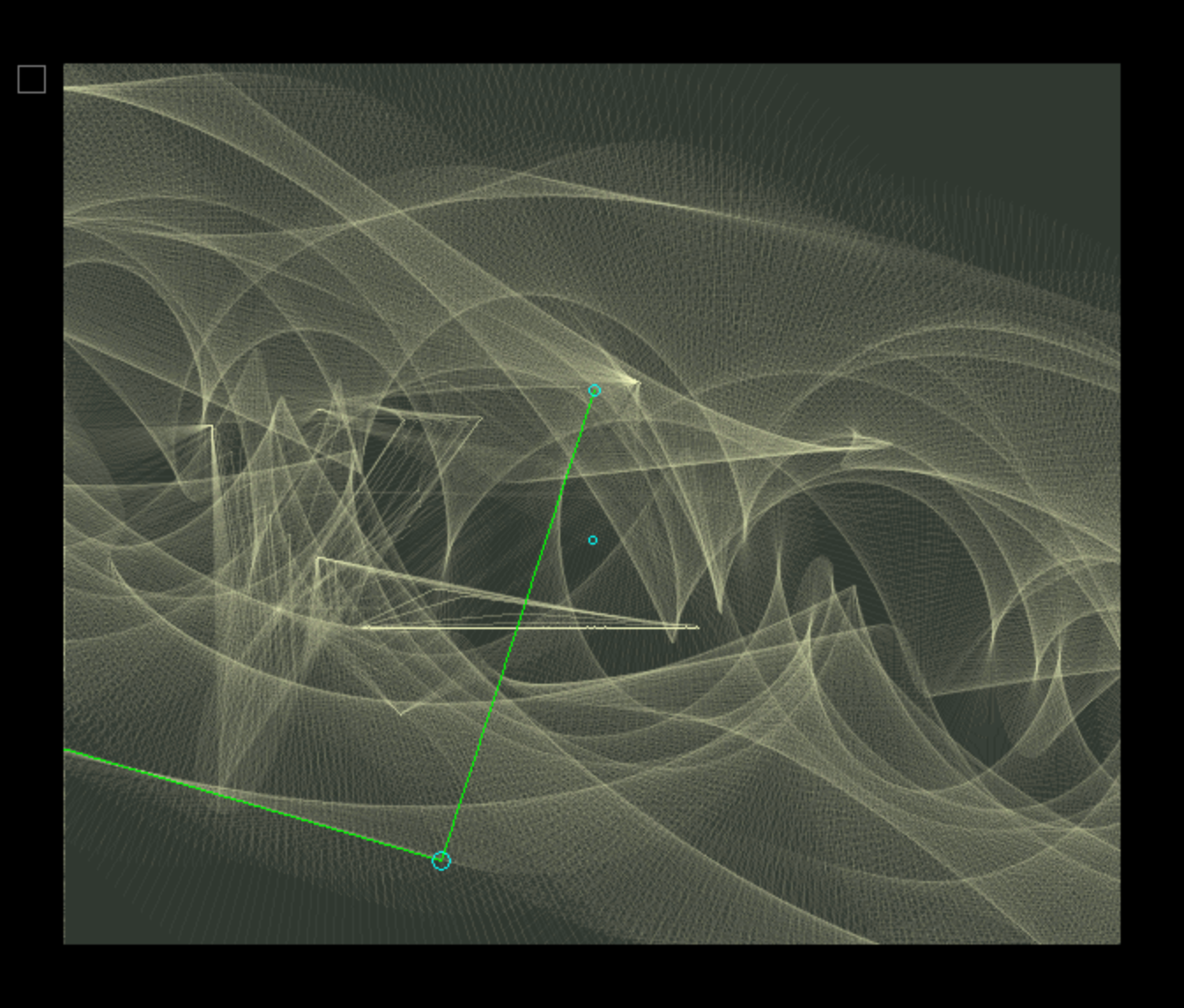
3 Dots
Java
Mark Napier (b. 1961; Springfield, New Jersey), began creating artwork exclusively for the web in 1995. He has produced a wide range of internet projects, including The Shredder (1998), an alternative browser that dematerializes the web; Digital Landfill (1998), an endless archive of digital debris; and Bots (2000), a tool for building unique pop-culture icons from parts. Napier has created commissioned projects for the Guggenheim Museum, New York (2002); the exhibition 010101 (2001) at the San Francisco Museum of Modern Art; and Data Dynamics (2001) at the Whitney Museum of American Art, New York. His browser Riot was included in the 2002 Whitney Biennial. He has also shown his work at ZKM Center for Art and Media Karlsruhe, Germany, and the Walker Art Center, Minneapolis, and received an honorable mention from Prix Ars Electronica (1999).
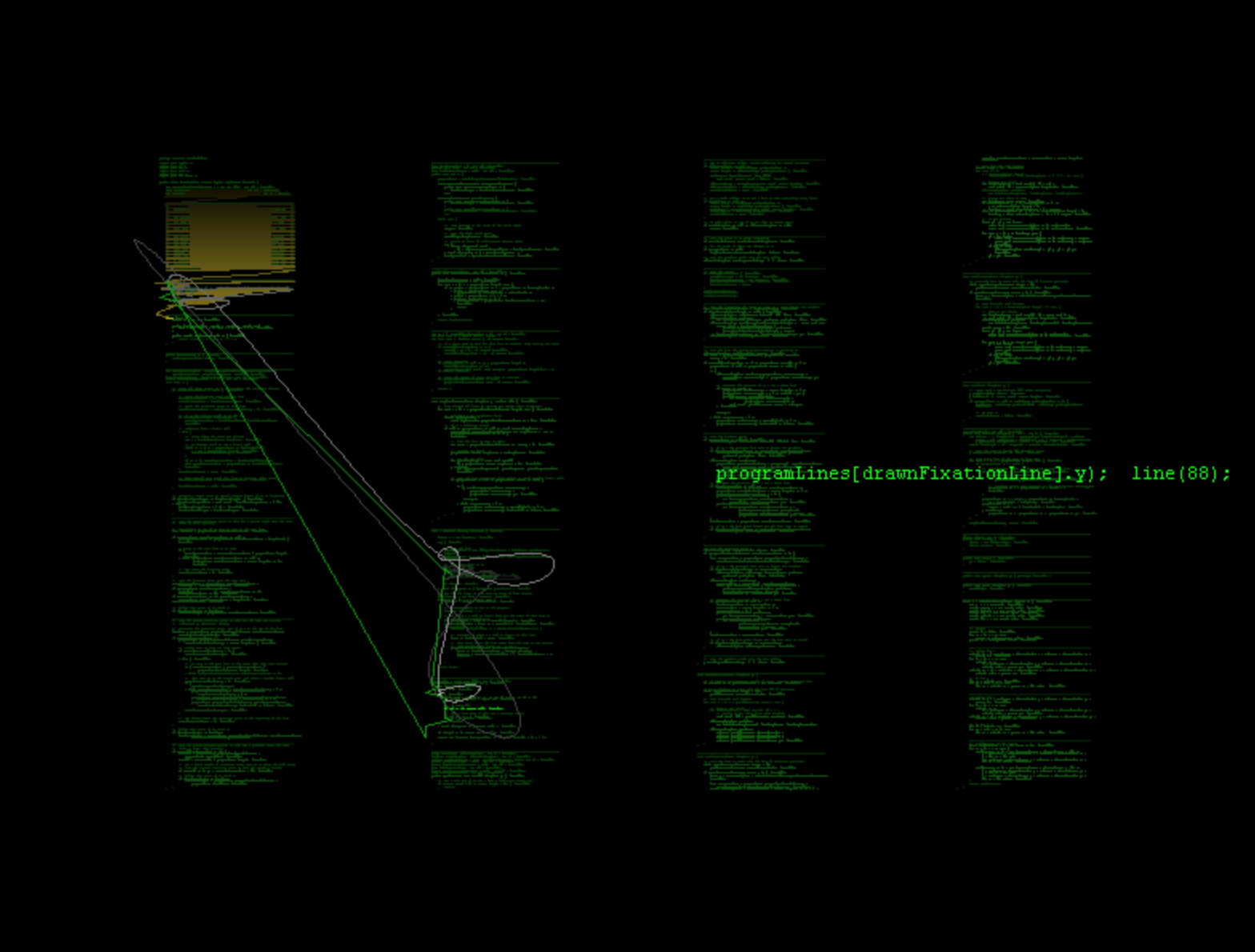
Code Profiles
Java
W. Bradford Paley (b. 1958; Detroit, Michigan) is an artist and interaction designer focusing on the visual interpretation of patterns hidden in information. His work has three primary goals: to create visual filters that let different subjects express their differences; to make the work readable enough that the viewer can gain specific insights; and to reveal complexity in a way that is matched to human perceptual abilities. He created TextArc.org, holds four US patents in computer/human interface work, and has given keynote addresses and plenary talks at major international information visualization symposia.
Paley’s work has been exhibited at the Museum of Modern Art and in Programmed: Rules, Codes, and Choreographies in Art 1965–2018 at the Whitney Museum of American Art in New York, and he is a New York State Council on the Arts grantee and a New York Foundation for the Arts fellow.
Enter projectComments by other artists
This project relies on Java applets, emulated through CheerpJ to run in modern browsers.
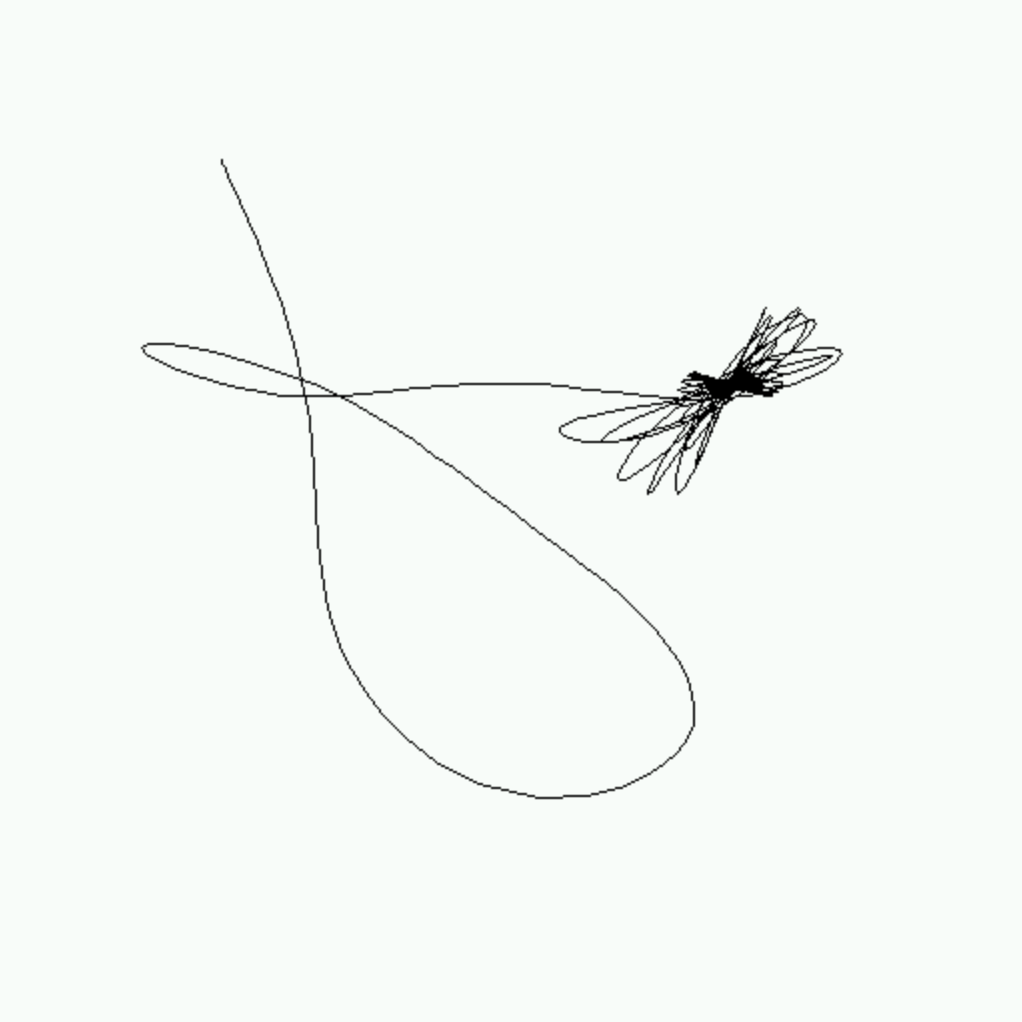
Tripolar
Java
Scott Snibbe (b. 1969; New York, New York) explores direct physical perception and the nature of the self using electronic media. His artworks range from large-scale installations to interactive sculpture and screen- and web-based pieces. He has collaborated with Björk, Philip Glass, Beck, and James Cameron to create innovative intersections of art, music, and technology. He was an early developer of Adobe After Effects and spent years at Paul Allen’s Interval Research Corporation researching interactive music, video, computer vision, and haptics.
Snibbe has received the Webby (2012) and Ars Electronica (1996) awards, as well as grants from the National Science Foundation, the Ford Foundation, the National Endowment for the Arts, and the Rockefeller Foundation. He holds over thirty patents. Snibbe’s work has been shown internationally at venues including the InterCommunications Center, Tokyo; Ars Electronica, Linz, Austria; Eyebeam, New York; New Langton Arts (1975–2009), San Francisco; Institute of Contemporary Arts, London; and the Kitchen, New York.
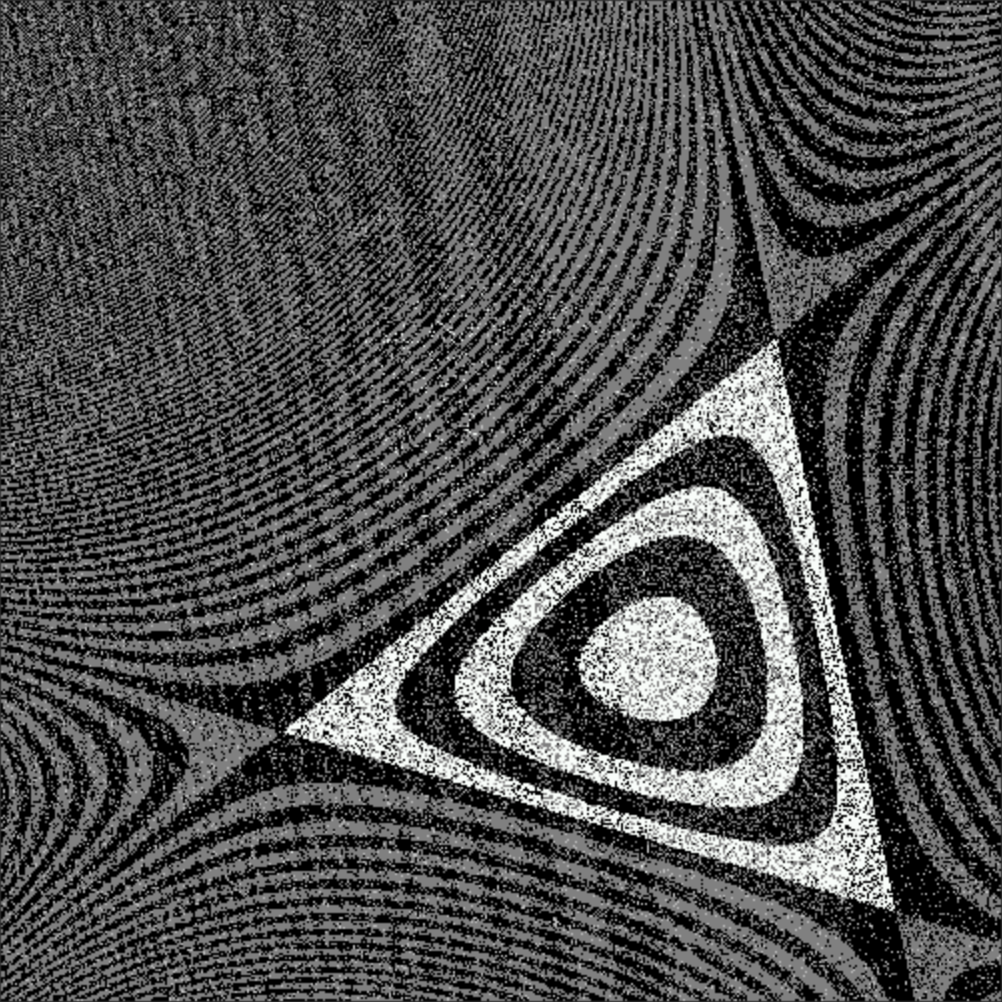
Connect
Java
Martin Wattenberg (b. 1970; Newton, Massachusetts) is a digital artist and computer scientist whose work focuses on creating tools for visual investigations that can foster connection, narrative, and insight. His projects range from artistic explorations such as Fleshmap (with Fernanda Viégas, 2008) and Apartment (with Marek Walczak, 2001), to tools for democratizing data visualization (Many Eyes, with Viégas et al., 2007). He is a professor at Harvard University, where he coleads the Insight + Interaction Lab with longtime collaborator Fernanda Viégas; and a part-time member of Google DeepMind’s PAIR (People + AI Research) initiative, which he cofounded with Viégas.
Wattenberg’s work has been exhibited at venues such as the Institute of Contemporary Arts, London; Tate Modern, London; and the Museum of Modern Art, New York. Wattenberg holds a PhD in mathematics from the University of California, Berkeley.
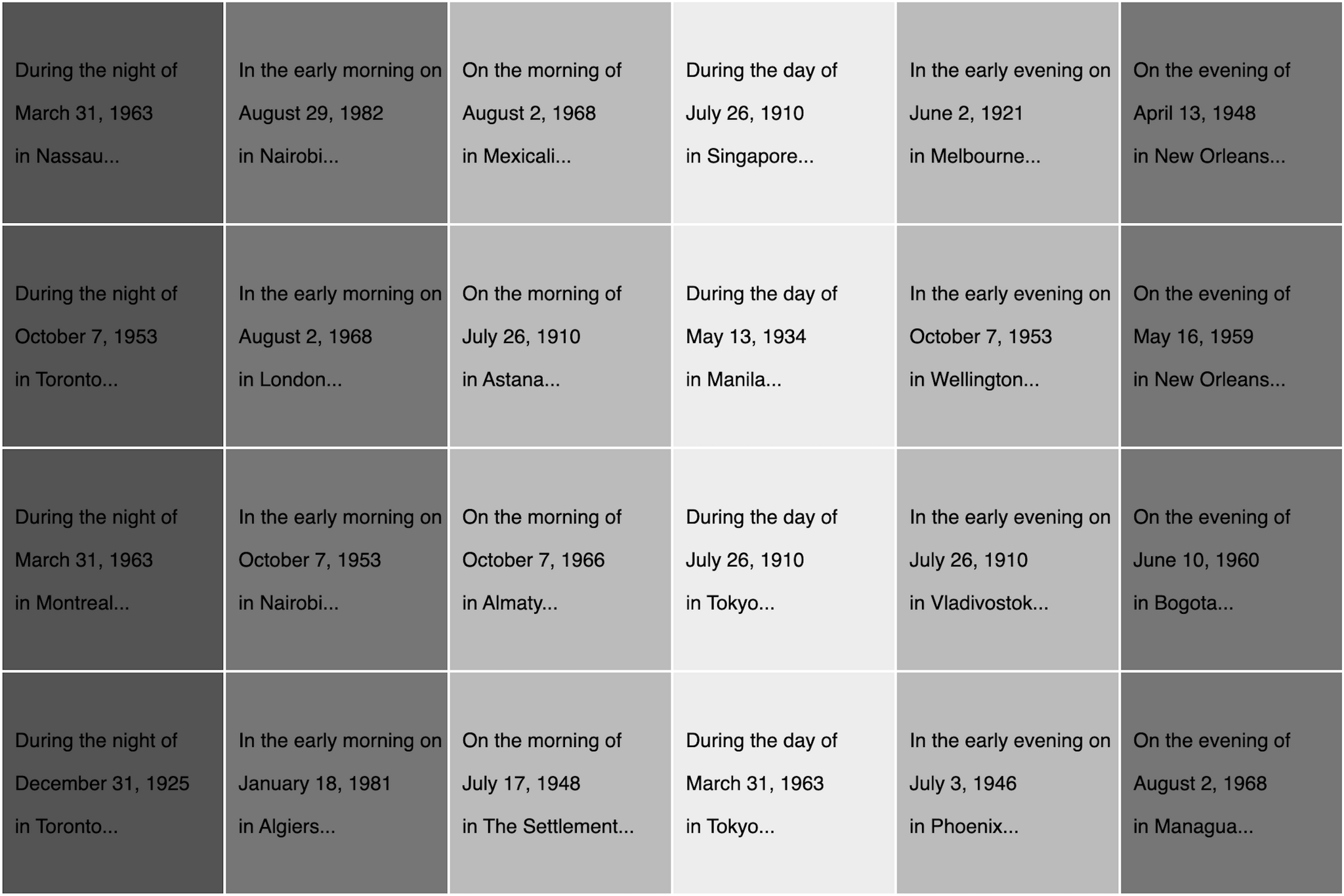
The Meaning of Life as Expressed in Seven Lines of Code
Java
Maciej Wisniewski (b. 1959; Warsaw, Poland) is an artist and programmer whose work focuses on the social implications of technology and the internet. His works netomatTM (1999), metaView (1998), Turnstile Part I and II (1998), ScanLink (1998), Jackpot (1996), and Tele-Touch (1996) have been featured in both online and offline exhibitions at the Whitney Museum of American Art and Postmasters Gallery (1984–2025) in New York; ZKM Center for Art and Media Karlsruhe, Germany; Institute of Contemporary Arts, London; Walker Art Center, Minneapolis; Guggenheim Museum Soho, New York; the Johannesburg Biennale; and Benjamin Weil’s äda ’web.
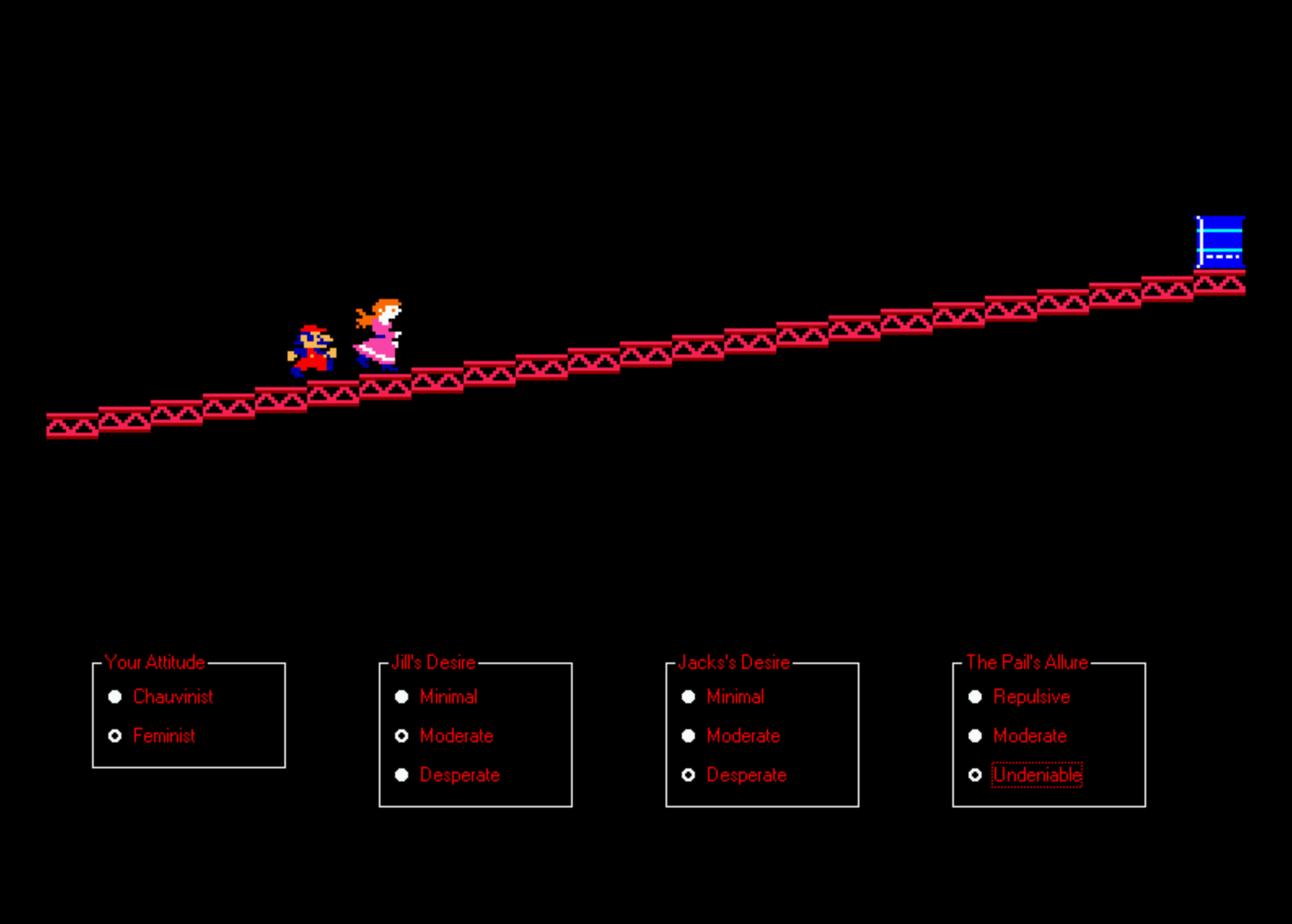
Jack and Jill
Visual Basic
John Klima (b. 1965; Redondo Beach, California) builds large scale electro-mechanical installations driven by 3D game software he programs from scratch. He has exhibited his work extensively in the United States, Europe, and Asia. His project ecosystm, commissioned by Zurich Capital Markets, was shown at the Whitney as part of the exhibition BitStreams (2001) and his work EARTH (2001) was included in the 2002 Whitney Biennial. In New York, he has also exhibited at Eyebeam, the New Museum, MoMA PS1, and the Brooklyn Museum. Klima has also participated in exhibitions at the Museum of Communication, Bern, Switzerland; the NTT InterCommunication Center, Tokyo; the Daejeon Municipal Museum, South Korea; and festivals including VIPER Switzerland; and the European Media Art Festival. More recently, Klima has focused on sound and music. In 2014 he founded Scratchbuilt Studios in Lisbon, where he has recorded countless musical and experimental sound projects, focusing on vintage analog recording equipment.
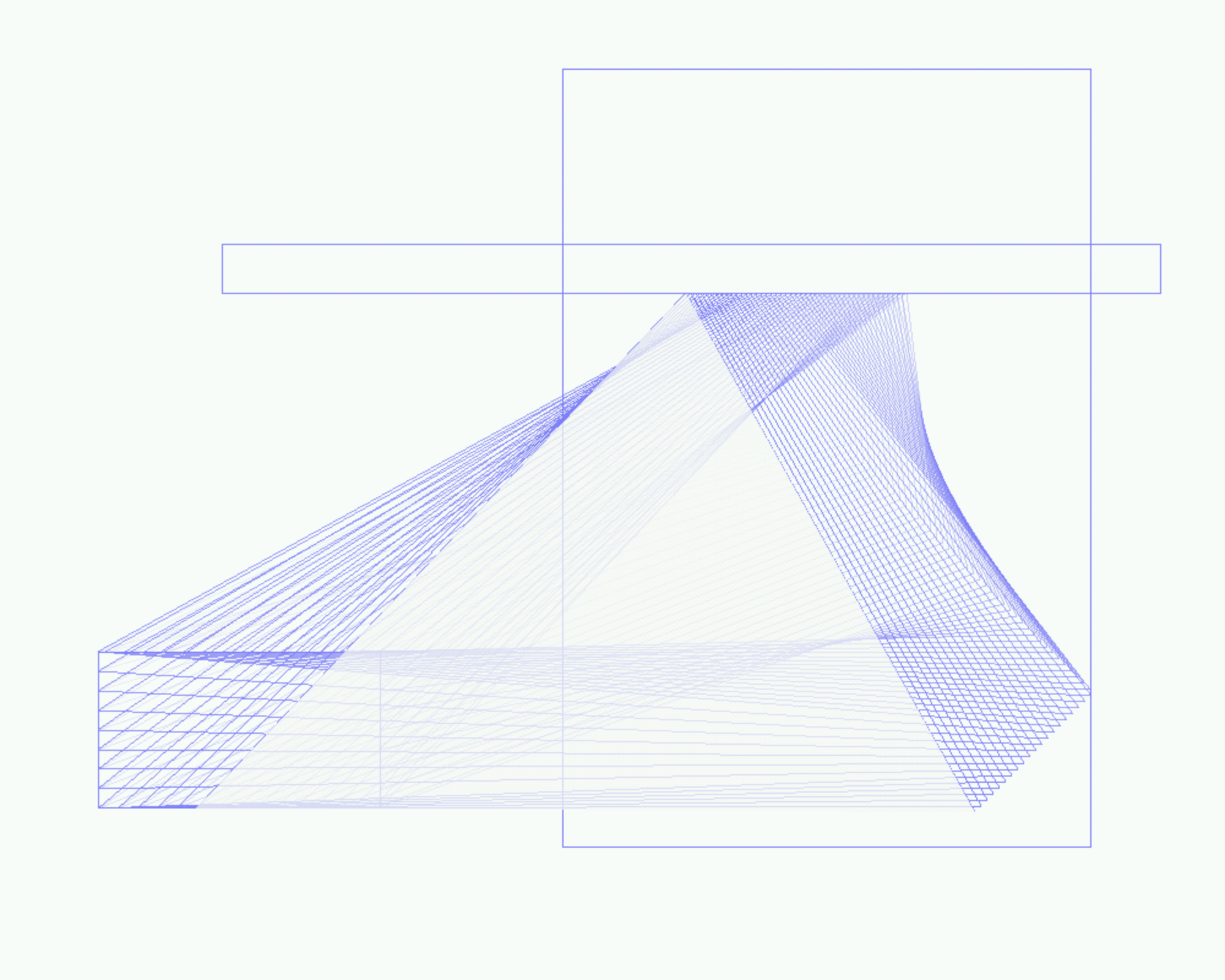
Linescape
C++
Camille Utterback (b. 1970; Bloomington, Indiana) explores the possibilities of linking computational systems to human movement and physicality. Her honors include a MacArthur Foundation Fellowship (2009), a Transmediale International Media Art Festival Award (2005), and a Rockefeller Foundation New Media Fellowship (2002). Utterback holds a US patent for a video-tracking system she developed while working as a research fellow at New York University (2004) and is a professor at Stanford University in California.
Utterback’s work has been exhibited at the National Portrait Gallery and the Smithsonian American Art Museum, Washington, DC; the Frist Art Museum, Nashville; the Orange County Museum of Art, California; ZERO1: The Art & Technology Network, San Jose, California; Haines Gallery, San Francisco; the New Museum, New York; the Museum of the Moving Image, Queens; NTT InterCommunication Center, Tokyo; Seoul Museum of Art; Netherlands Media Art Institute, Amsterdam; and Ars Electronica Center, Linz, Austria, among others.
[remotion]
Lingo
Mary Flanagan (b. 1969; Milwaukee, Wisconsin) is a media practitioner and theorist whose transdisciplinary practice is informed by her methodology of “critical play.” She is the creator of The Adventures of Josie True (1997), the first web-based adventure game for girls.
Flanagan has exhibited at venues including the Guggenheim Museum, New York; Tate Britain; Museu de Arte, Arquitetura e Tecnologia, Lisbon; Centre de Cultura Contemporània de Barcelona; Hyundai Motorstudio Beijing; the Baltimore Museum of Art; NeMe Arts Centre, Cyprus; LABoral Centro de Arte y Creación Industrial, Gijón, Spain; Museum of Applied Arts, Cologne, Germany; and the 2002 Whitney Biennial. Flanagan won an Award of Distinction at Prix Ars Electronica (2018) and is the recipient of the American Council of Learned Societies Digital Innovation Fellowship. She has also been awarded residencies with the Brown Foundation, MacDowell, Bogliasco, and the Robert Rauschenberg Foundation. She is the Fairchild Distinguished Professor of Digital Humanities at Dartmouth College in Hanover, New Hampshire.
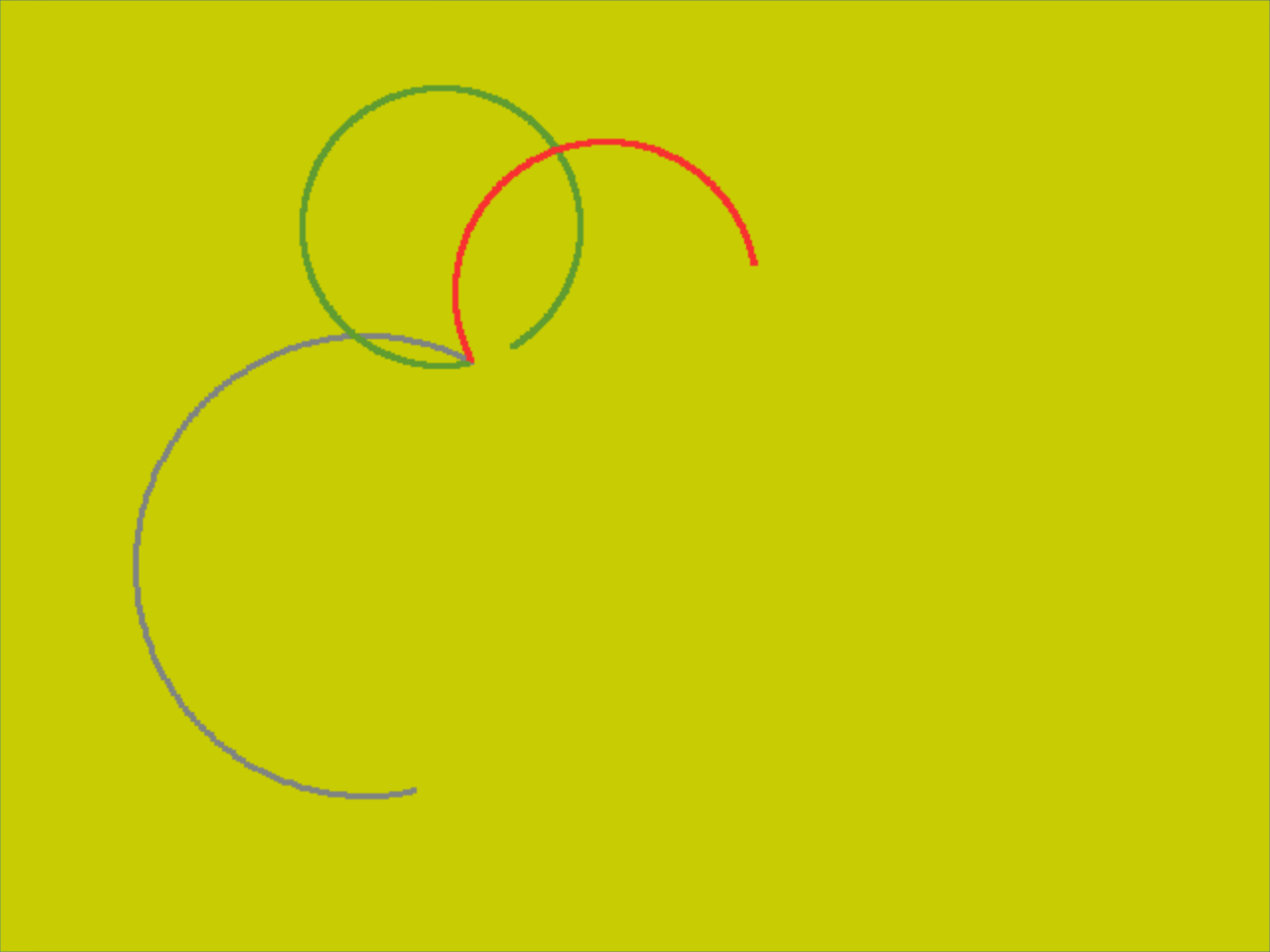
Circler
Lingo
Kevin McCoy’s (b. 1967; Seattle, Washington) collaborative multimedia artworks, made with his partner Jennifer McCoy (b. 1968; Sacramento, California), examine the genres and conventions of filmmaking, memory, and language. The McCoys are well-known for constructing subjective databases of narrative material and making fragmentary miniature film sets with lights, video cameras, and moving sculptural elements to create live cinematic events. Their work has been widely exhibited in the United States and internationally, including at the Centre Pompidou, Paris; the Museum of Modern Art (MoMA), New York; the British Film Institute, London; Kunstverein Hannover, Germany; the Beall Center for Art and Technology, University of California, Irvine; PKM Gallery, Beijing; the San Jose Museum of Art, California; Palazzo delle Papesse, Siena, Italy; the Addison Gallery of American Art, Phillips Academy, Andover, Massachusetts; the Sundance Film Festival; and Artists Space, New York. Their work is in the collections of the Whitney Museum; MoMA; the Metropolitan Museum of Art, New York; the Milwaukee Art Museum; the 21C Museum Hotels; and the Speed Art Museum, Louisville. They have received a Creative Capital Award (2002), the WIRED Rave Award for Art (2005), a Guggenheim Fellowship (2011), and a Headlands Alumni Award (2014).
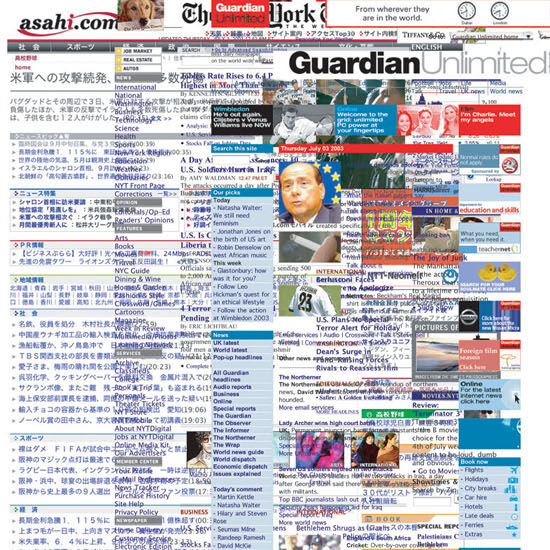
Global City
Perl
Sawad Brooks (b. 1964; Bogota, Columbia) is an artist, critic, and designer working with public and information spaces. DissemiNET (1998–2001), a collaboration with Beth Stryker, is a telematic installation commissioned in part by the Wexner Center for the Arts, Ohio State University, Columbus, that has been shown internationally. The work is part of the Digital Arts Studies Collection at the Walker Art Center, Minneapolis; as is Brooks’s Bowling Alley (1995), a collaboration with Stryker, Christa Erickson, and Shu Lea Cheang. Invertigo (1997), created with Stryker and Erickson, was shown at the Banff Centre for Arts and Creativity, Canada.
Sawad’s work has also been shown at such places as the MIT List Visual Arts Center, Cambridge; the Johannesburg Biennale (1997); and Postmasters Gallery (1984–2025), New York.
His work has been funded by the Arts Technology Center, University of New Mexico, Albuquerque; and with grants from the Rockefeller Foundation, the National Endowment for the Arts, and Creative Capital.
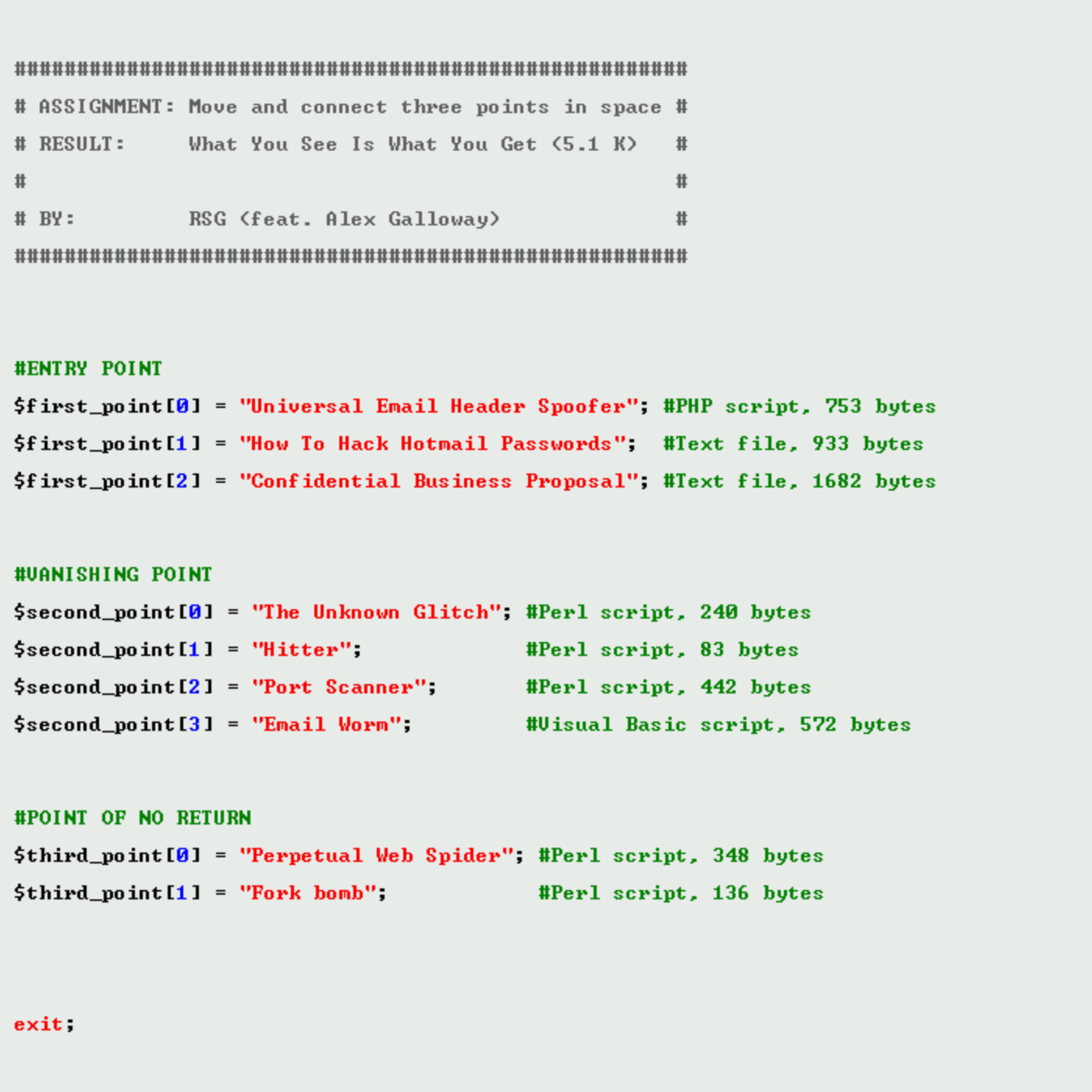
WYSIWYG
Perl/Text
Alexander R. Galloway (b. 1974; Walnut Creek, California), a writer and computer programmer, explores issues in philosophy, technology, and theories of mediation. As the founding member of the Radical Software Group (RSG, 2001), he is the creator of Carnivore (launched 2001), a networked surveillance tool based on the notorious FBI software of the same name. Carnivore has been exhibited internationally and won a Prix Ars Electronica 2002 Golden Nica. Galloway is a recipient of a Guggenheim Fellowship (2019) and the Berlin Prize (2018). He is a professor of media, culture, and communication at New York University and the author of several books on digital media and critical theory, including Uncomputable (2021), Excommunication: Three Inquiries in Media and Mediation (with Eugene Thacker and McKenzie Wark, 2013), The Interface Effect (2012), and PROTOCOL: How Control Exists after Decentralization (2003).
artport
View more on artport, the Whitney Museum's portal to internet art and its online gallery space for commissions of net art.